

If your child:
-
Screams over small changes
-
Melts down after school or therapy
-
Becomes aggressive, withdrawn, or inconsolable
-
“Regresses” after a good week
You may have been told:
“They’re testing boundaries.”
But for many children on the autism spectrum, this isn’t behaviour.
It’s biology.
Autism & the Overloaded Nervous System
Children with autism often live in a state of constant neurological stress.
Their nervous system is:
-
Processing more sensory input
-
Filtering less efficiently
-
Reacting faster and stronger than neurotypical children
Sounds that seem normal to us can feel painful.
Small changes can feel threatening.
Fatigue can feel overwhelming.
So when the system overloads, the body hits the panic button.
That’s a meltdown.
Meltdowns vs Tantrums: The Critical Difference
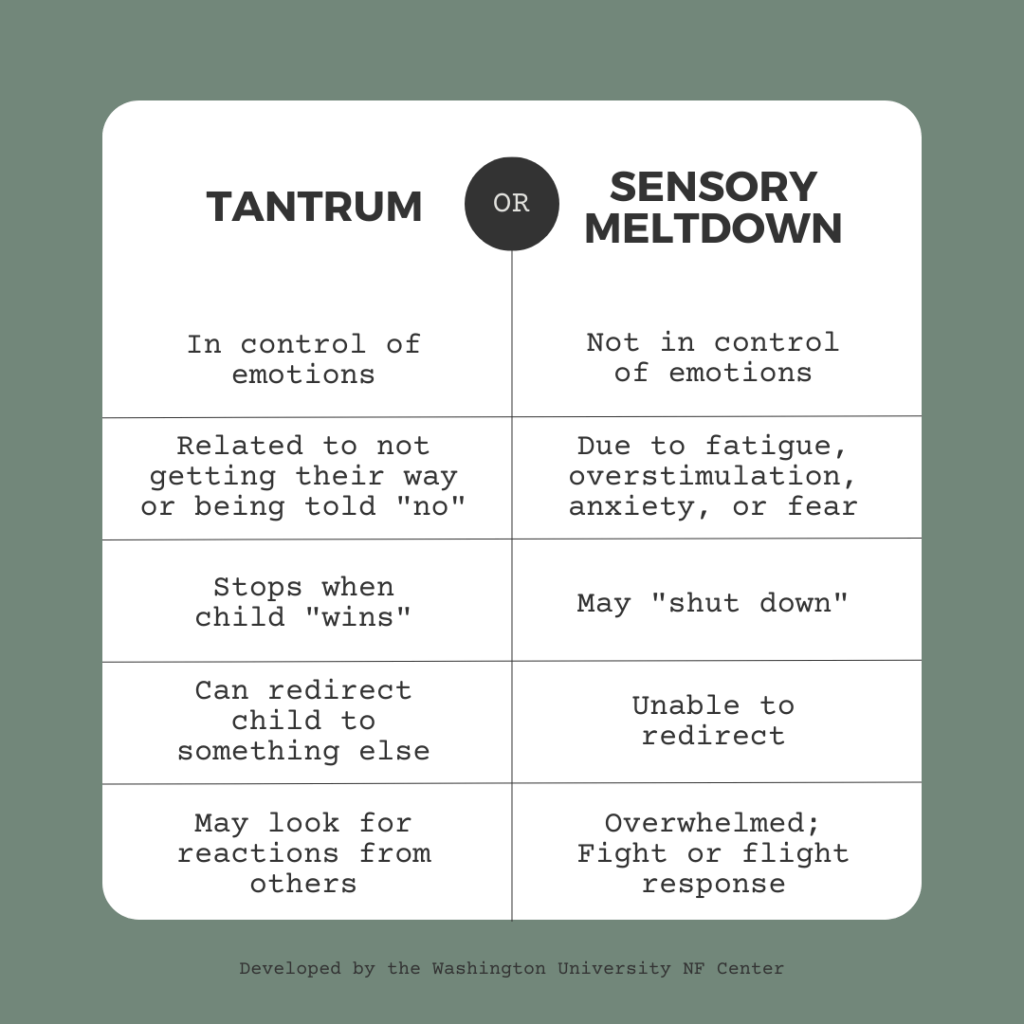
| Tantrum | Meltdown |
|---|---|
| Goal-driven | Survival-driven |
| Stops when demands are met | Continues even without audience |
| Child has control | Child has lost control |
| Emotional | Neurological |
Punishment may stop a tantrum.
Punishment worsens a meltdown.
The Hidden Triggers Parents Don’t See
Many meltdowns are triggered by internal stressors, not just environment.
Common biological drivers include:
-
Blood sugar instability
-
Inflammation
-
Poor detox pathways
-
Nutrient deficiencies (B vitamins, magnesium)
-
Gut-brain axis disruption
-
Mitochondrial fatigue (low cellular energy)
This explains why meltdowns often happen:
-
In the evening
-
After school
-
After therapy
-
During illness
-
After “doing really well” for a few days
The body is exhausted.
Why Emotional Regulation Is a Physical Skill
Emotional regulation isn’t something a child can “learn” if their nervous system is stuck in fight-or-flight.
Before behaviour improves, the body must feel:
-
Safe
-
Regulated
-
Supported at a cellular level
This is where nutrition, sleep, and metabolic support matter as much as therapy.
Supporting Regulation the Right Way
At MyAutismHub, we encourage a regulate-first approach:
✔️ Support the nervous system
✔️ Reduce biological stress
✔️ Improve cellular energy
✔️ Then build skills through therapy
Many parents report:
-
Shorter meltdowns
-
Faster recovery
-
Better tolerance to therapy
-
Improved emotional resilience
Not because the child changed —
But because their body could finally cope.
To the Parent Reading This After a Hard Day
If today felt heavy, please remember:
✨ Your child is not broken
✨ You are not failing
✨ This phase does not define the future
Understanding autism through the nervous system lens changes everything — including how we support our children and ourselves.
Share This With a Parent Who Needs It
Knowledge doesn’t remove autism.
But it removes blame, shame, and helplessness.
And that changes everything.


